If you've started exploring niche fragrance, you've almost certainly run into oud. It's mentioned everywhere — in marketing copy, in fragrance forums, on the back of bottles that promise "luxury" and "depth." But ask most people what oud actually smells like, and you'll get a shrug. It's one of the most talked-about notes in modern perfumery and one of the least understood.
Here's a straight answer, plus how it works alongside sandalwood — the pairing behind most great woody aromatic fragrances, including our own.
What is oud, really?
Oud (also spelled "oudh" or called agarwood) comes from the resin that certain agar trees produce when they're wounded or infected by a particular mould. The tree responds by producing a dark, fragrant resin to protect itself. That resin is what gets distilled into the oud oil used in perfumery.
Because the process can't be rushed — the resin only forms over years, in specific conditions — genuine oud has always been rare and expensive. That scarcity is part of why it carries such a "luxury" reputation, but it also means most oud fragrances you'll encounter use synthetic or partially synthetic oud accords to recreate the character without the price tag of the real material. This isn't a downside — modern oud accords are sophisticated, consistent, and far more wearable than raw oud oil, which on its own can be intensely animalic and barnyard-like.
So what does it actually smell like?
Strip away the marketing language and oud smells:
- Woody and smoky — like aged wood, sometimes with a leathery edge
- Slightly sweet and resinous — closer to a dark honey or dried fruit undertone than anything floral
- A little medicinal or smoky-sharp in its rawest form — this is the note that gets softened in well-balanced compositions
- Deep and long-lasting — oud is a base note, meaning it's part of what's still on your skin eight hours after applying
On its own, oud can be polarising. Paired correctly, it becomes something else entirely — which is where sandalwood comes in.

Why sandalwood and oud are perfumery's classic pairing
Sandalwood is creamy, soft, and slightly milky, with a gentle sweetness. Where oud is sharp and resinous, sandalwood rounds it out — it's the note that takes oud from "intense" to "wearable." Together, they form one of the most enduring combinations in fragrance: oud gives depth and presence, sandalwood gives smoothness and longevity.
This is exactly the architecture behind a woody aromatic fragrance — a family built on wood and resin notes, often supported by aromatic herbs and spice in the opening, with the oud and sandalwood doing the heavy lifting underneath.
What a well-built sandalwood and oud perfume looks like in practice
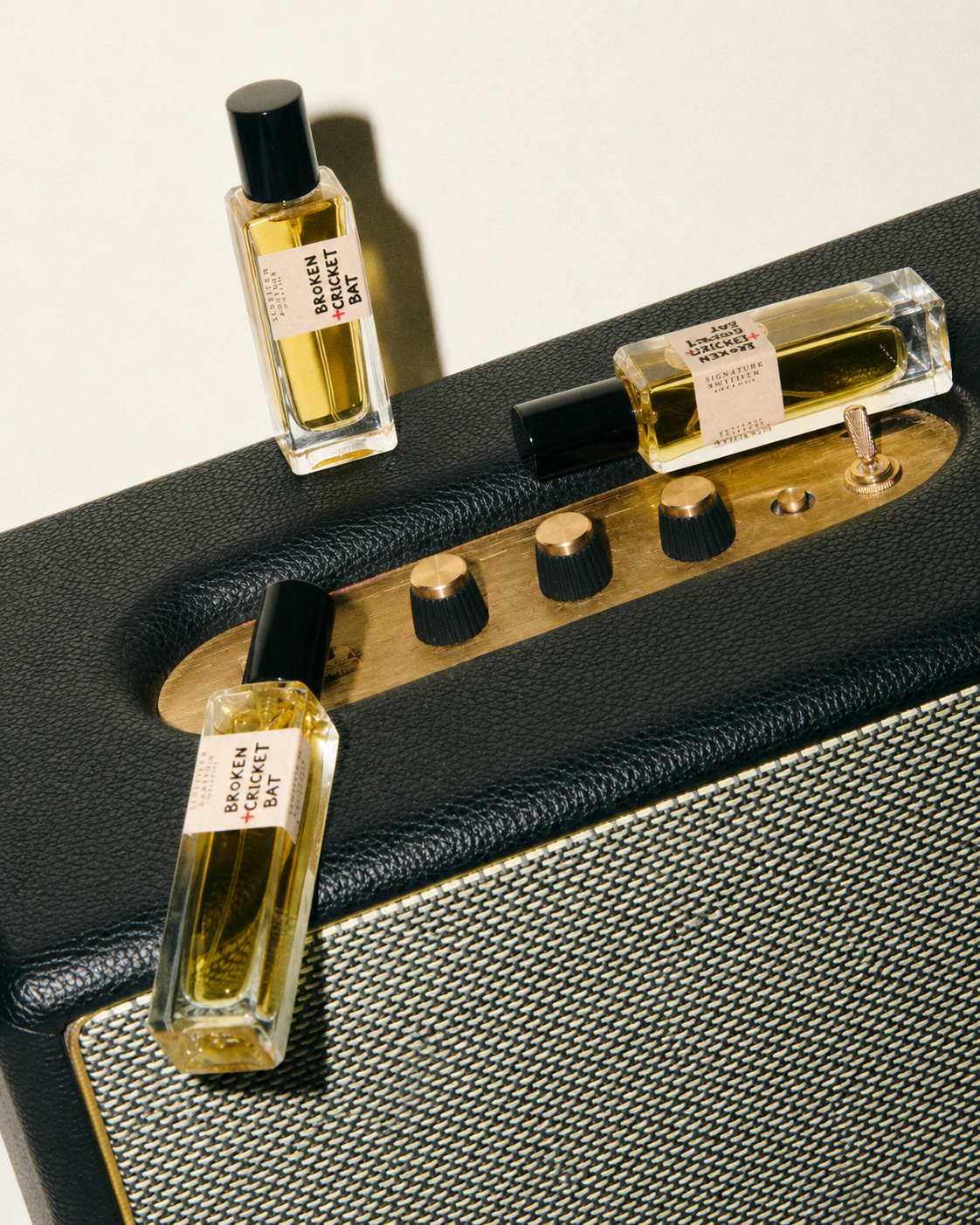
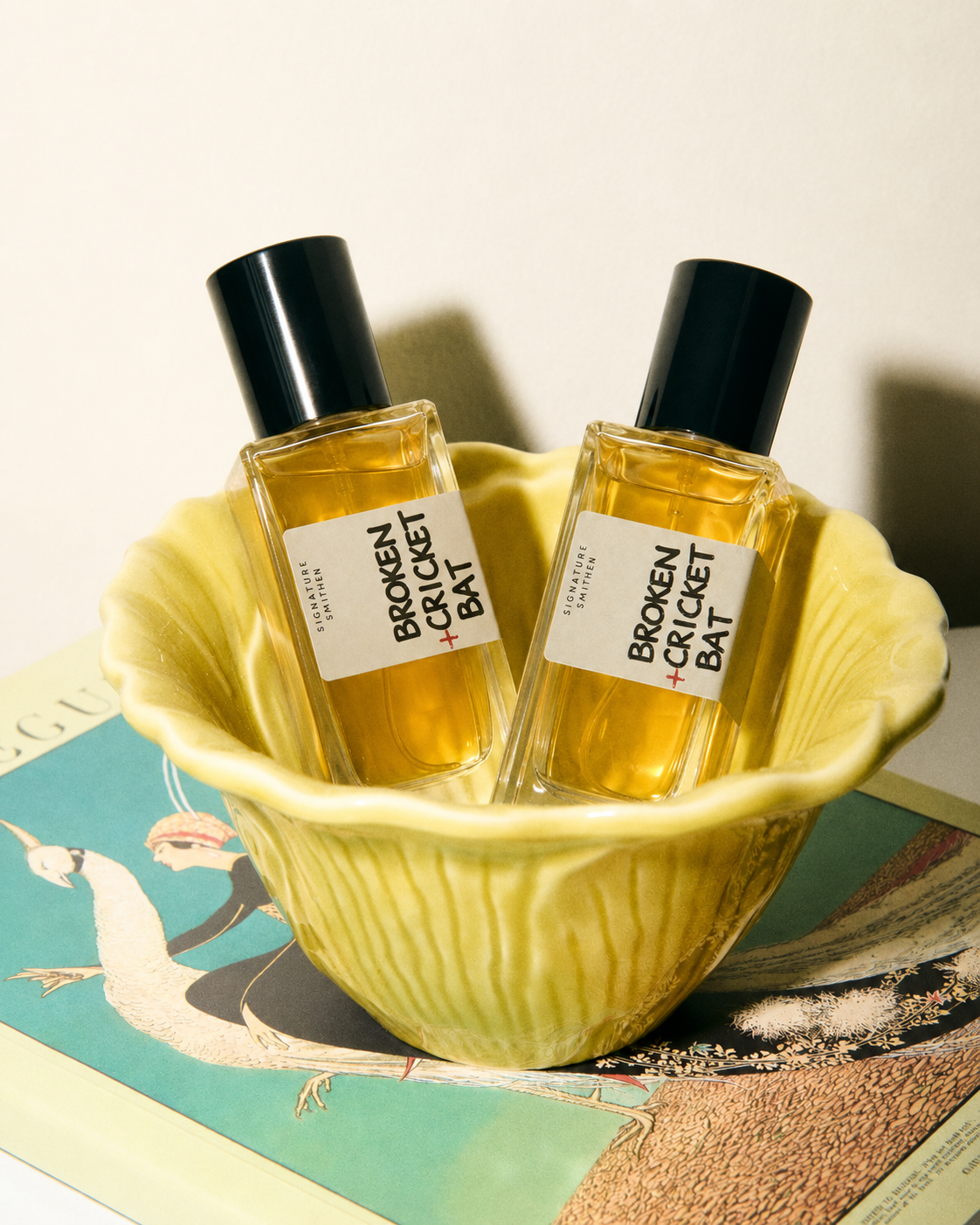
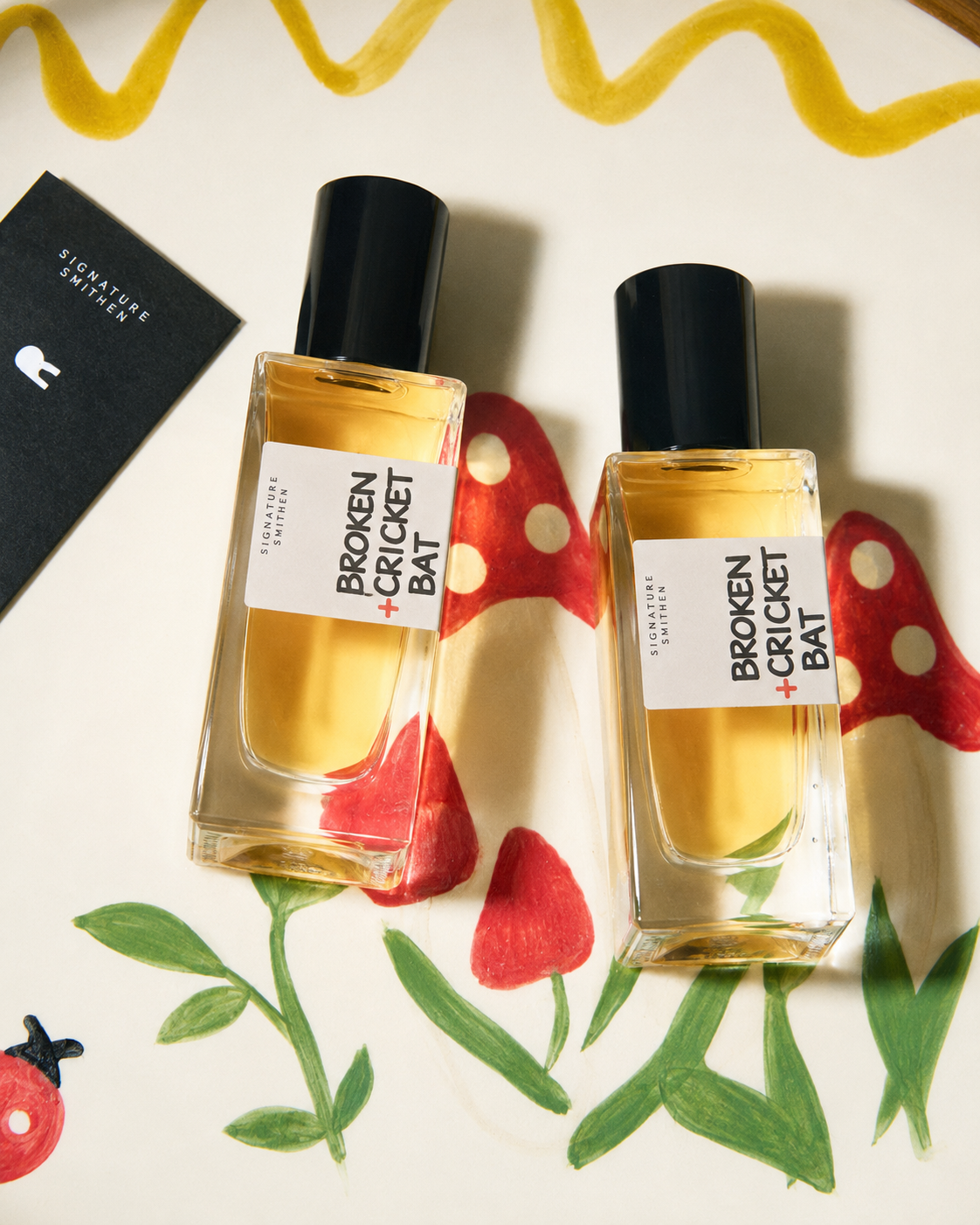
Our own Broken Cricket Bat is a good working example of how this plays out across a full composition:
- Top: Pink pepper and juniper berry bring a bright, spiced opening, with cardamom adding warmth
- Heart: Blue cypress and clary sage sit over a backbone of cedarwood — resinous and slightly smoky
- Base: Oakmoss, patchouli, oud and sandalwood settle in for the long haul — creamy, grounded, and built to last 7–10 hours
That structure is deliberate. The opening gives you something bright and spiced so the fragrance doesn't announce "heavy oud" the moment you spray it. By the time you reach the base, the sandalwood has already done its job of softening the oud, and what's left is warm, woody, and distinctly British in character rather than the more traditional Middle Eastern oud profile.

Not sure if oud is for you?
If you've read all this and you're still unsure whether oud will suit you, that's completely normal — it's a note that rewards trying rather than reading about. Our 1.5ml Broken Cricket Bat sample is the lowest-risk way to find out, for the cost of postage.
Signature Smithen is an independent British fragrance house. Broken Cricket Bat is our woody aromatic EDP, built around sandalwood, oud, cedarwood and oakmoss.