The world of perfumery is an intoxicating blend of art, chemistry, and history, and nowhere is this more evident than in the United Kingdom. Scent has the profound ability to evoke memories, express individuality, and elevate our everyday lives. Over the past decade, the UK fragrance market has undergone a remarkable renaissance, evolving from traditional apothecaries to cutting-edge scent laboratories. Today, luxury perfume in the UK represents a dynamic mix of storied history and bold innovation, offering olfactory experiences that cater to every conceivable preference.
Whether you are a seasoned collector or a curious newcomer eager to elevate your daily routine, navigating the vibrant landscape of UK fragrance brands is an exciting journey. This guide will walk you through the very best of British perfumery, decode complex industry terminology, and offer practical advice on curating a collection that is distinctly yours.
The Allure of British Perfumery: From Heritage to Modernity

British perfumery is defined by a unique duality: a deep respect for historical tradition paired with a fearless approach to modern craftsmanship.
On one end of the spectrum, we have exclusive British heritage perfume brands. These historical houses—some of which boast centuries of history and prestigious Royal Warrants—built their reputations on classic floral, citrus, and woody compositions. They capture the essence of a bygone era, bottling the romance of English gardens and the sophistication of historic London.
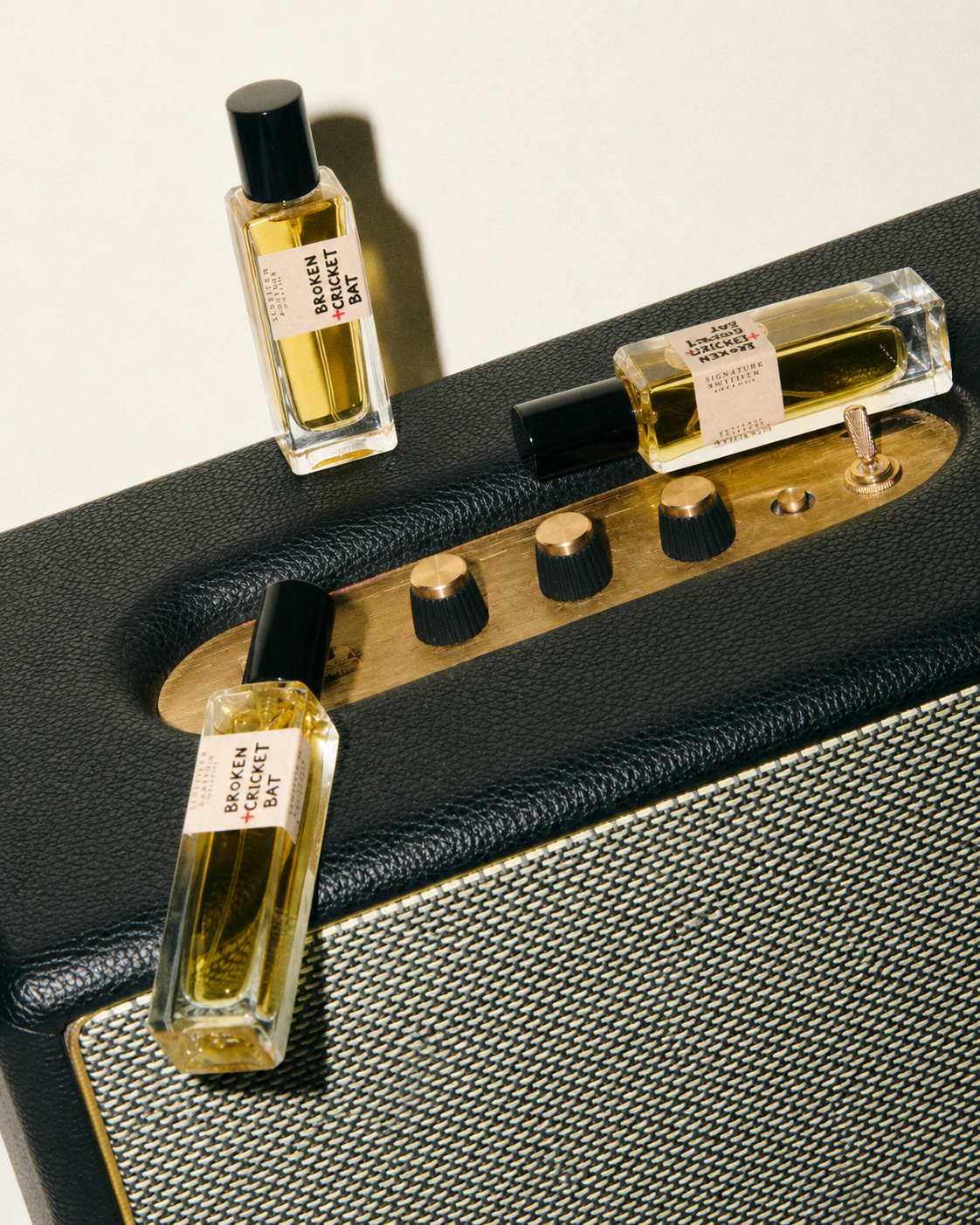
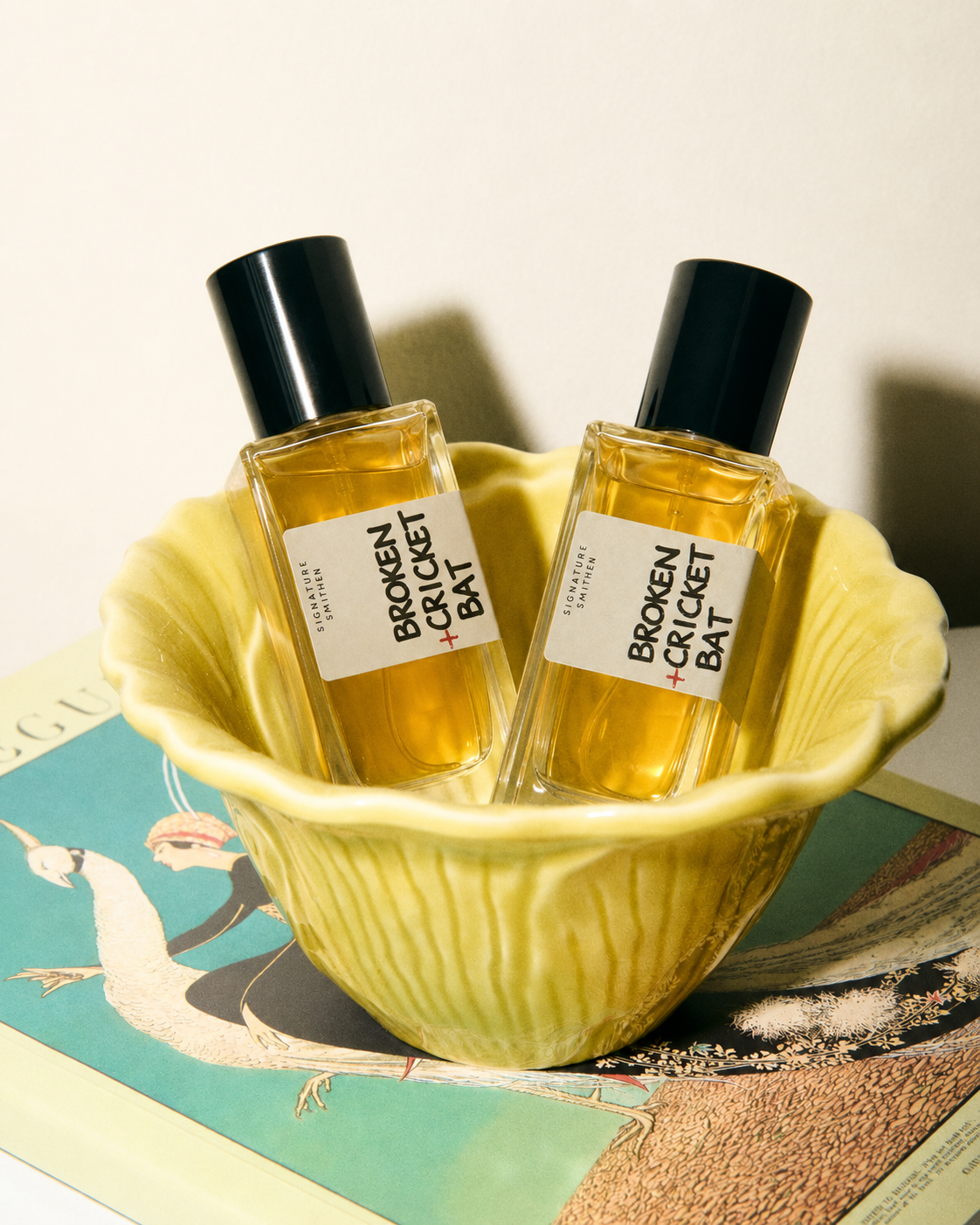
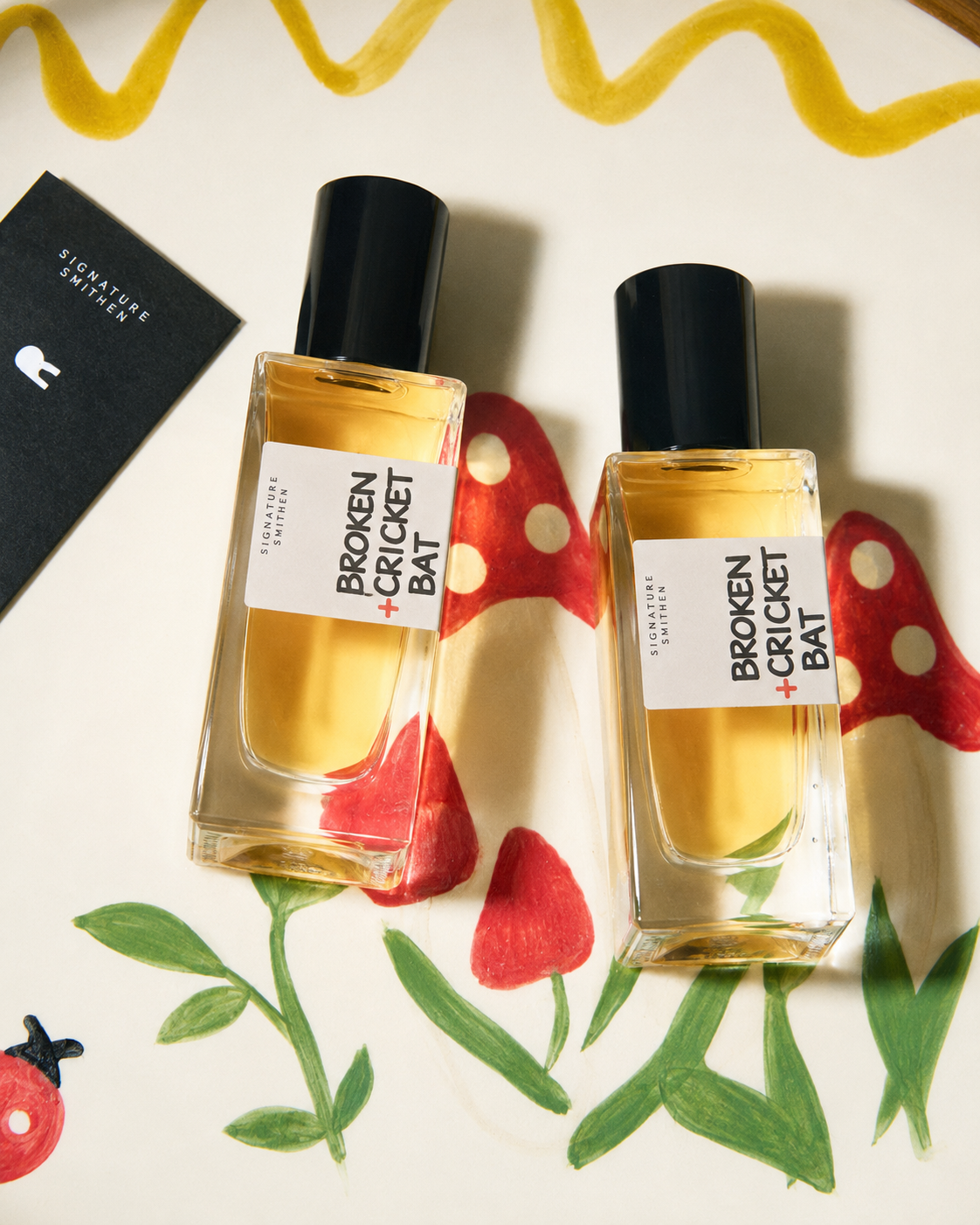
Conversely, a new wave of independent British perfume brands is redefining the industry — Signature Smithen included. These small, two-person-and-smaller houses break from tradition, working with rare and unconventional materials to craft distinct, story-driven scent profiles rather than chasing mass appeal. Our own Broken Cricket Bat is a good example: a British woody aromatic EDP built around oud, sandalwood and oakmoss, made in small batches rather than at designer-house scale. Curious what running an independent fragrance house actually looks like? Read What Is an Artisan Perfume?
Furthermore, today's discerning consumers demand transparency. Responding to this shift, many UK fragrance companies are leading the global charge in creating sustainable and ethical high-end scents. By prioritizing cruelty-free testing, responsibly sourced raw materials, and refillable glass flacons, these brands prove that luxury and environmental stewardship can coexist beautifully.
Designer vs. Niche: Understanding the Market

The clearest way to think about the market is mainstream versus niche. Designer fragrances come from major fashion houses and are built for broad appeal — pleasant, versatile, recognisable. Niche and artisanal fragrances are driven by a singular creative vision instead, favouring unconventional note pairings over mass appeal, which is exactly why they cost more and smell less like everyone else in the room.
We go deeper on what actually separates the two categories — and why niche pricing looks the way it does — in our guide to what niche perfume actually means.
The Ultimate Fragrance Shopping Experience in the UK
Finding your perfect scent should be an experience to savor, not a rushed transaction. Fortunately, the UK offers some of the most luxurious and immersive fragrance shopping environments in the world.
For a truly bespoke experience, wandering through the artisan perfume boutiques in London is a must. Neighborhoods like Mayfair, Soho, and Covent Garden are dotted with independent storefronts where passionate staff can guide you through their localized collections.
A few worth seeking out by name: Les Senteurs in Belgravia, London's oldest independent perfumery, where the staff act as genuine fragrance consultants rather than salespeople; Jovoy Mayfair, a go-to for rare and hard-to-find niche labels; and Liberty London's beauty hall, known for one of the most curated selections of artistic, independent brands in the country.
If you prefer a comprehensive luxury experience under one roof, a visit to the iconic Harrods Salon de Parfum is an absolute necessity. Located on the sixth floor of the legendary department store, this glittering sanctuary houses the rarest and most exclusive perfumes on the planet.
If you'd rather try before you travel, we ship 1.5ml samples of Broken Cricket Bat and Peppery Amber straight to your door for £6 each — no trip to Knightsbridge required.
A Masterclass in Fragrance Terminology
To confidently navigate the world of high-end scents, it helps to understand the technical language used by professionals. Here is a breakdown of the key terms you will encounter:
- Concentration: Eau de Parfum (EDP) and Extrait de Parfum sit at different strengths and price points, and the difference shows up directly in how long they last on skin. We cover the full breakdown — EDP, EDT and Extrait side by side — in Eau de Parfum vs Eau de Toilette: What's the Difference?
- Performance: Understanding sillage and projection makes a massive difference in how a fragrance is perceived. Projection refers to how far the scent pushes out from your body into the air. Sillage (a French word meaning "wake") is the invisible trail of scent you leave behind as you walk through a room. If you want to make an entrance, look for high projection; if you want to leave a lingering memory, seek out strong sillage.
The Practical Guide: Finding and Wearing Your Scent
Discovering Your Signature
Choosing a signature scent takes patience. A signature scent should feel like an invisible extension of your wardrobe—a fragrance that friends and family instantly associate with you.
Instead of blind-buying full bottles based on online reviews, take advantage of premium perfume sampling services. Many luxury UK brands now offer "discovery sets"—beautifully packaged miniature vials of their best-sellers. This allows you to test the fragrances in your own environment, observing how the top, heart, and base notes evolve over hours.
Because niche fragrances lean on higher concentrations of naturals and complex synthetics, they can evolve dramatically once they meet your own skin chemistry — a scent that smells one way on a paper blotter can shift entirely after a few hours on you. Resist buying a full bottle blind: wear a sample for a full day and pay attention to how the dry-down settles before committing. Our own 1.5ml samples are built for exactly this — a low-cost way to test a fragrance's full development on your skin before investing in a 50ml bottle.
Maximizing Longevity
Once you have found your perfect match, you naturally want it to last. Making your fragrance last longer on skin comes down to a few expert techniques:
- Moisturize First: Fragrance evaporates rapidly on dry skin. Apply an unscented lotion or a matching body oil before spraying to lock in the scent molecules.
- Target Pulse Points: Spray your wrists, the nape of your neck, and behind your ears. These areas generate body heat, which helps to diffuse the fragrance throughout the day.
- Never Rub: Rubbing your wrists together creates friction that crushes the delicate top notes of the perfume. Instead, simply spray and let it air dry.
- Spritz Your Hair or Clothes: Hair and fabric hold onto scent much longer than skin. A light mist over your scarf or through your hair ensures your fragrance lingers beautifully.
Curating Your Collection Throughout the Year
While having one signature scent is wonderful, many enthusiasts prefer building a seasonal fragrance wardrobe. Just as you wouldn't wear a heavy wool coat to the beach, certain fragrances are better suited to specific climates and moods.
In spring and summer, light, effervescent notes like bergamot, neroli, sea salt, and fresh jasmine cut through the humidity, offering a refreshing aura. However, as the temperature drops, our olfactory cravings change.
So, what are the most popular notes for winter? Colder weather naturally mutes fragrance, requiring richer, heavier bases to project effectively. During the darker months, luxury buyers gravitate toward:
- Oud (Agarwood): Deep, woody, and slightly smoky, providing a luxurious blanket of warmth.
- Spiced Vanilla: Moving away from sickly-sweet vanilla, winter vanillas are often blended with cardamom, clove, or cinnamon for a sophisticated, gourmand edge.
- Amber and Resins: Notes like labdanum, frankincense, and myrrh create a cozy, crackling-fireplace effect on the skin.
- Leather and Tobacco: Rich, authoritative notes that pair perfectly with heavy winter coats and cozy cashmere sweaters.
Final Thoughts
The United Kingdom remains a global powerhouse of olfactory artistry. From the historic cobblestone streets housing heritage apothecaries to the modern, eco-conscious laboratories championing sustainability, the landscape of luxury perfume in the UK is richer and more accessible than ever before.
Whether you are treating yourself to a premium discovery set, visiting an artisanal boutique in London, or finally investing in that exquisite Extrait de Parfum, remember that fragrance is deeply personal. It is an invisible accessory that has the power to comfort, empower, and enchant. Take your time, trust your nose, and enjoy the beautiful journey of exploring the finest scents the UK has to offer.