"Niche perfume" gets thrown around a lot — on packaging, in reviews, in ads for brands that are anything but. Here's what the word actually means, and why it's worth understanding before you spend money chasing it.
What does "niche perfume" actually mean?

Niche perfume isn't a scent family or a price bracket. It's a way of making fragrance: small, independent houses creating compositions built around a specific idea rather than a mass-market brief. No focus groups shaping the formula down to "safe." No celebrity name on the bottle. Usually a tiny team, sometimes just one person, making the calls on what goes in.
Niche vs designer: what's the real difference

- Distribution — designer fragrances are built to sell in department stores worldwide; niche houses often sell direct, in small batches, sometimes only online.
- Formulation — designer briefs are tested for broad appeal. Niche formulas are built around a single creative idea, even if that idea isn't universally liked.
- Materials — niche houses more often use unusual or higher-cost materials (real oud, uncommon accords) because they're not optimising for a low unit cost at mass volume.
- Marketing spend — a chunk of a designer bottle's price is advertising and celebrity licensing. Niche pricing is closer to ingredients, production and the size of the batch.
Why niche perfume costs what it does
Small batches mean no economies of scale. Unusual raw materials cost more than the synthetics used in mass-market formulas. And without a marketing budget subsidising the price, the bottle mostly reflects what's actually in it. That's not always true across the category — plenty of niche brands charge for the name alone — but it's the argument for niche when it's done honestly.
How Signature Smithen fits the niche model
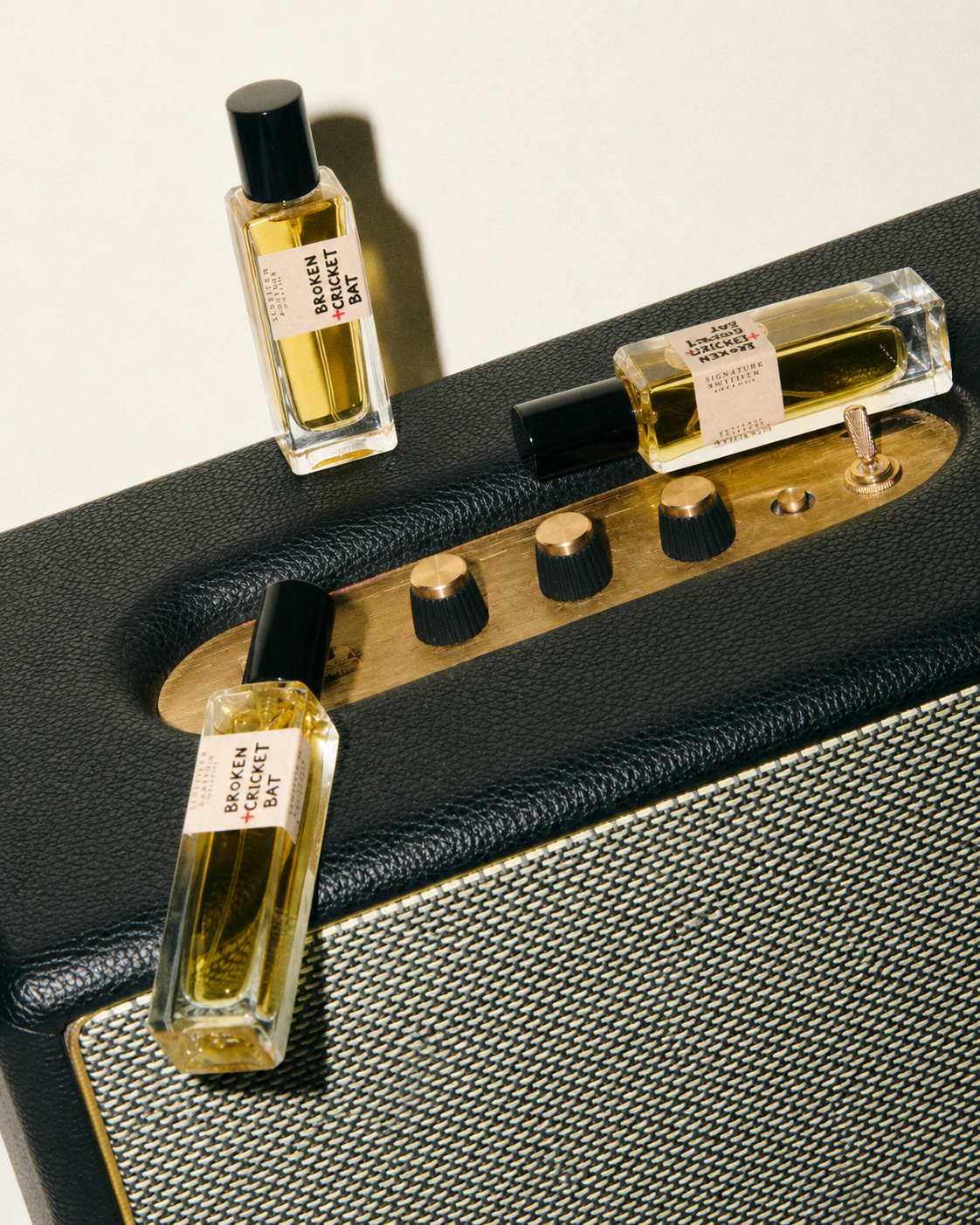
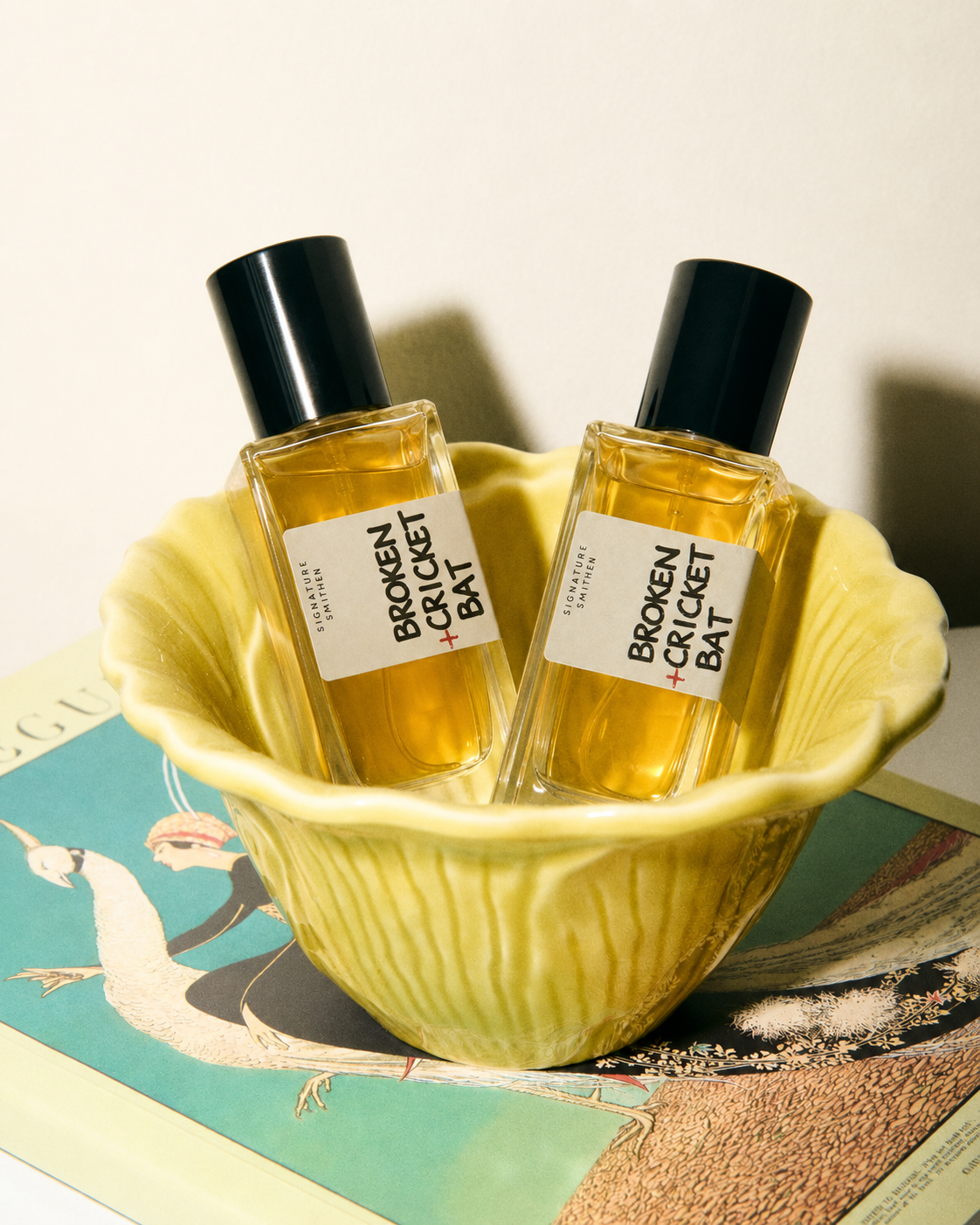
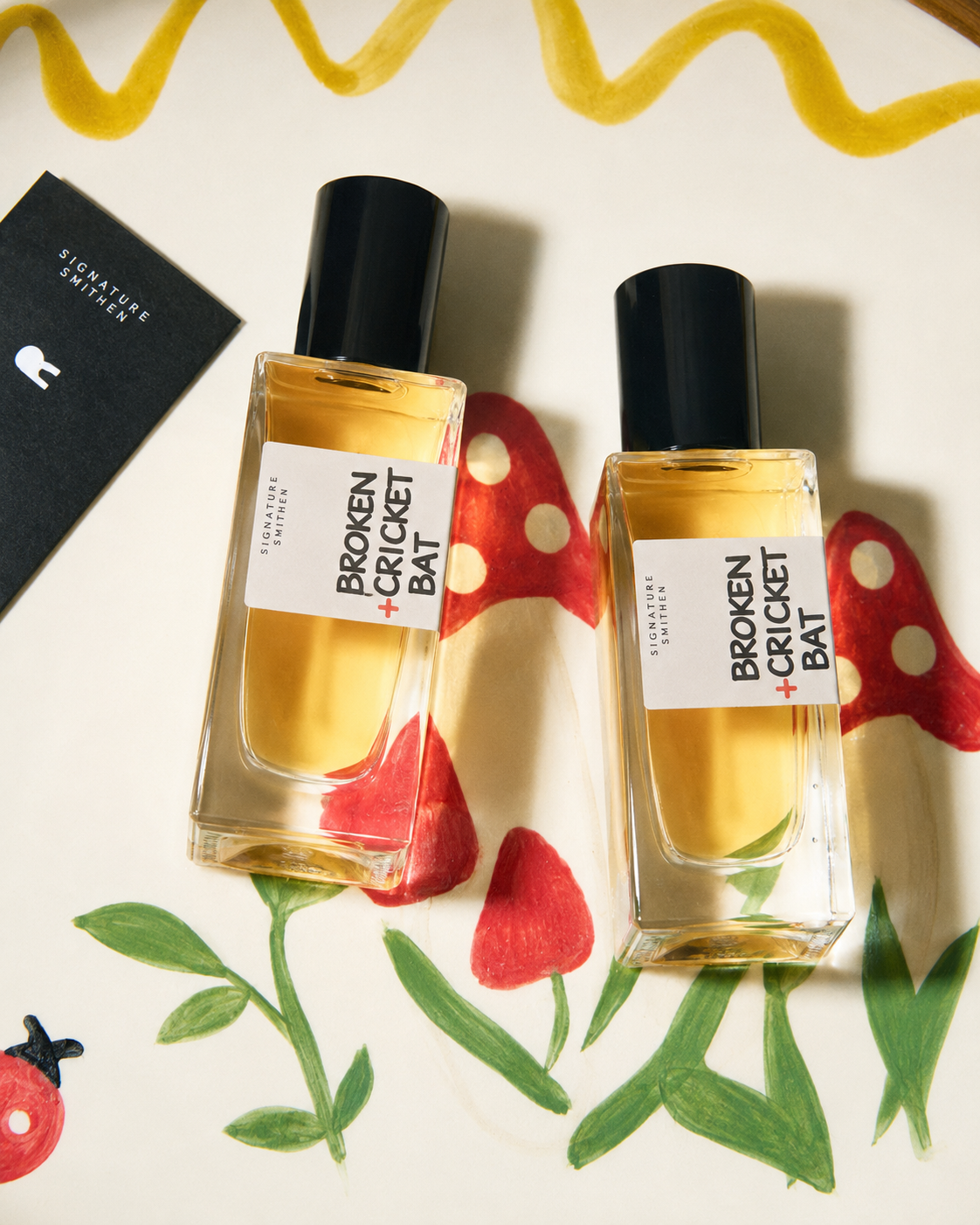
We're a two-person, two-fragrance British house. Broken Cricket Bat and Peppery Amber are both built from scratch around a single idea rather than referencing anything already on the shelf — we don't make dupes. Both use real botanical materials (sandalwood, oud, cedarwood, pink pepper, clove) rather than leaning on a handful of cheap synthetics, and both are sold direct — sample first, full bottle only if it's right for you.
How to start exploring niche perfume without overspending
Niche fragrance rewards trying before buying more than any other category, because formulas vary house to house with no shared reference point. Start with samples:
- Order a 1.5ml sample before a 50ml bottle. It's the same formula, just less commitment.
- Wear it through a full day before judging it. Niche compositions are often built to develop over hours, not to hit you in the first ten minutes.
- Compare against something you already own, not against your memory of it.
Read our guide to trying fragrance samples first
FAQ
Is niche perfume always better than designer?
No — it's a different model, not an automatic upgrade. Some niche houses are genuinely doing something distinct; others are charging niche prices for a fairly ordinary formula. Judge the composition, not the label.
Why is niche perfume more expensive?
Usually smaller batches, higher-cost materials, and no marketing budget to spread the cost across millions of bottles sold. That's the case with us — it isn't universal across the category.
What's the easiest way to try niche perfume without spending a lot?
Samples. A 1.5ml sample lets you test a full composition's dry-down for a few pounds instead of committing to a £70+ bottle sight (and scent) unseen.
Signature Smithen is an independent British fragrance house. Broken Cricket Bat and Peppery Amber are both built from scratch, sold direct, and available as £6 samples before you commit to a full bottle.