Cedarwood is one of the most widely used notes in perfumery — and one of the least noticed. It rarely gets a fragrance named after it, yet it quietly holds together half the woody compositions on the market. It's a structural note rather than a showy one: the thing doing the work in the background while sandalwood, oud or amber takes the credit.
What does cedarwood smell like?
Cedarwood smells dry, warm and distinctly woody — closer to pencil shavings or a freshly opened pencil case than to anything sweet or resinous. It's cleaner and sharper than sandalwood's creamy softness, with a slightly smoky, aromatic edge that gives a fragrance backbone rather than warmth. If sandalwood is the silk of the fragrance world, cedarwood is the linen — drier, crisper, less indulgent.
Cedarwood vs other woody notes
- Cedarwood vs sandalwood: Sandalwood is creamy, milky and soft — it smooths and rounds. Cedarwood is drier and sharper — it structures and defines. The two are often paired together because they complement rather than compete.
- Cedarwood vs oud: Oud is smoky, resinous and complex with real intensity. Cedarwood is cleaner and more linear — easier to wear but less distinctive on its own.
- Cedarwood vs vetiver: Vetiver is earthier and smokier with a darker, rootier quality. Cedarwood is lighter and cleaner — woody without the heaviness.
- Cedarwood vs oakmoss: Oakmoss is greener and more resinous — almost forest-floor in quality. Cedarwood is drier and more pencil-like, without the green earthiness.
Why cedarwood is perfumery's quiet workhorse
Cedarwood's structural role makes it invaluable in compositions where other notes need support without competition. It extends the life of top notes by giving them something to anchor to, creates dryness that balances sweet base materials like amber and vanilla, and adds a woody character that reads as clean rather than heavy.
It also dries down well on most skin types — cedarwood tends to behave predictably, which is part of why perfumers rely on it across so many different compositions and fragrance families.
Cedarwood in Broken Cricket Bat and Peppery Amber
Cedarwood shows up as a structural heart note in both of our fragrances, doing different work in each:
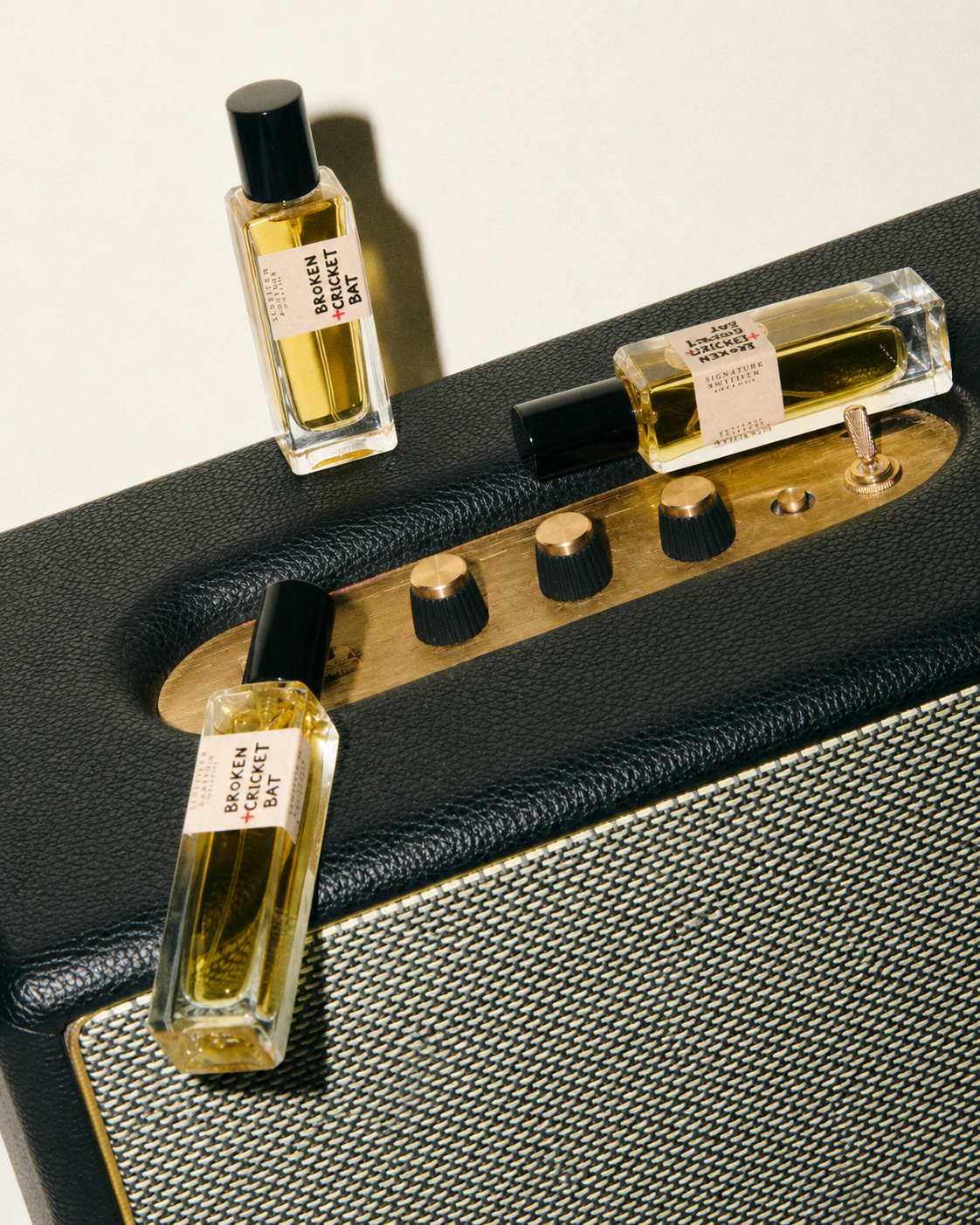
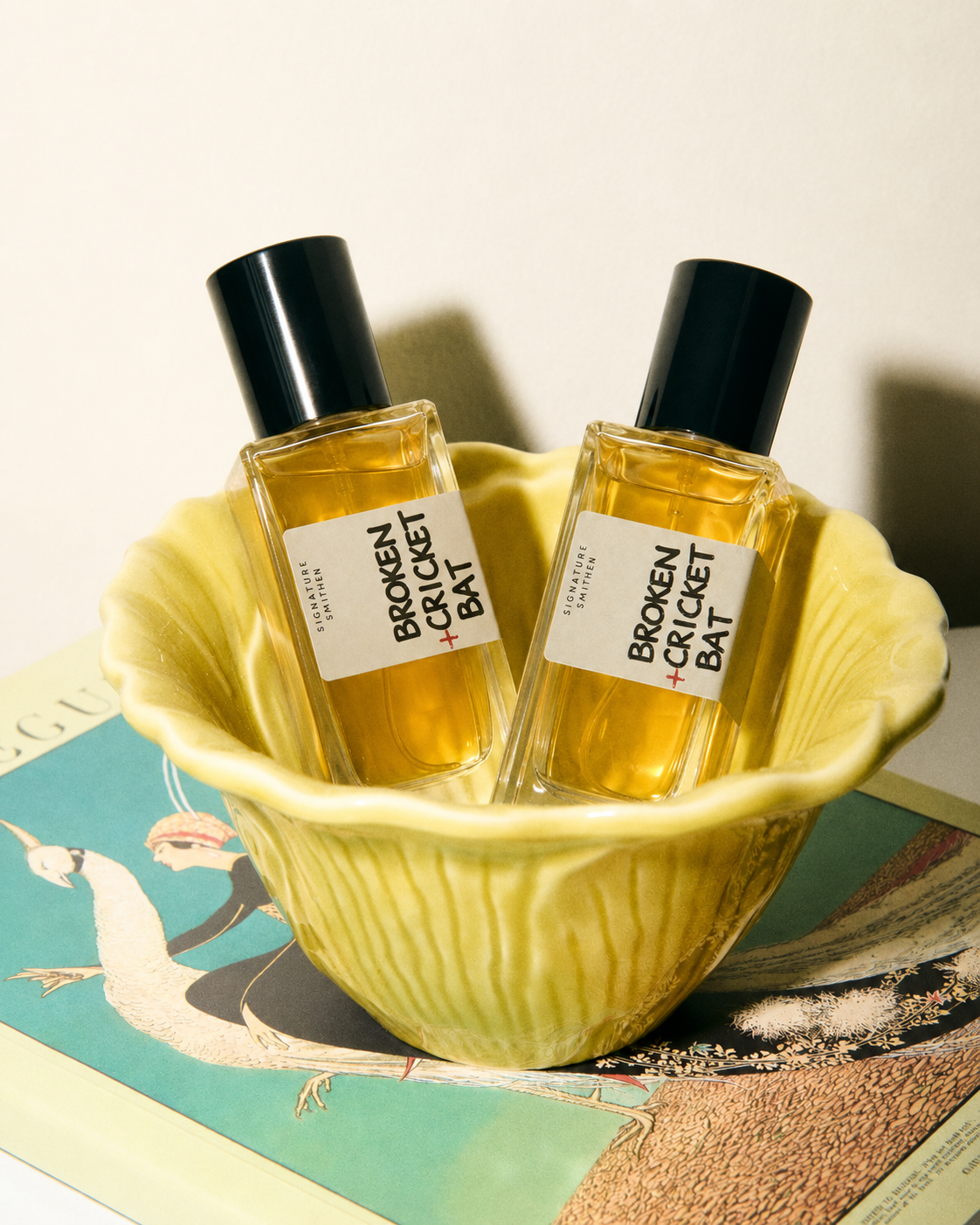
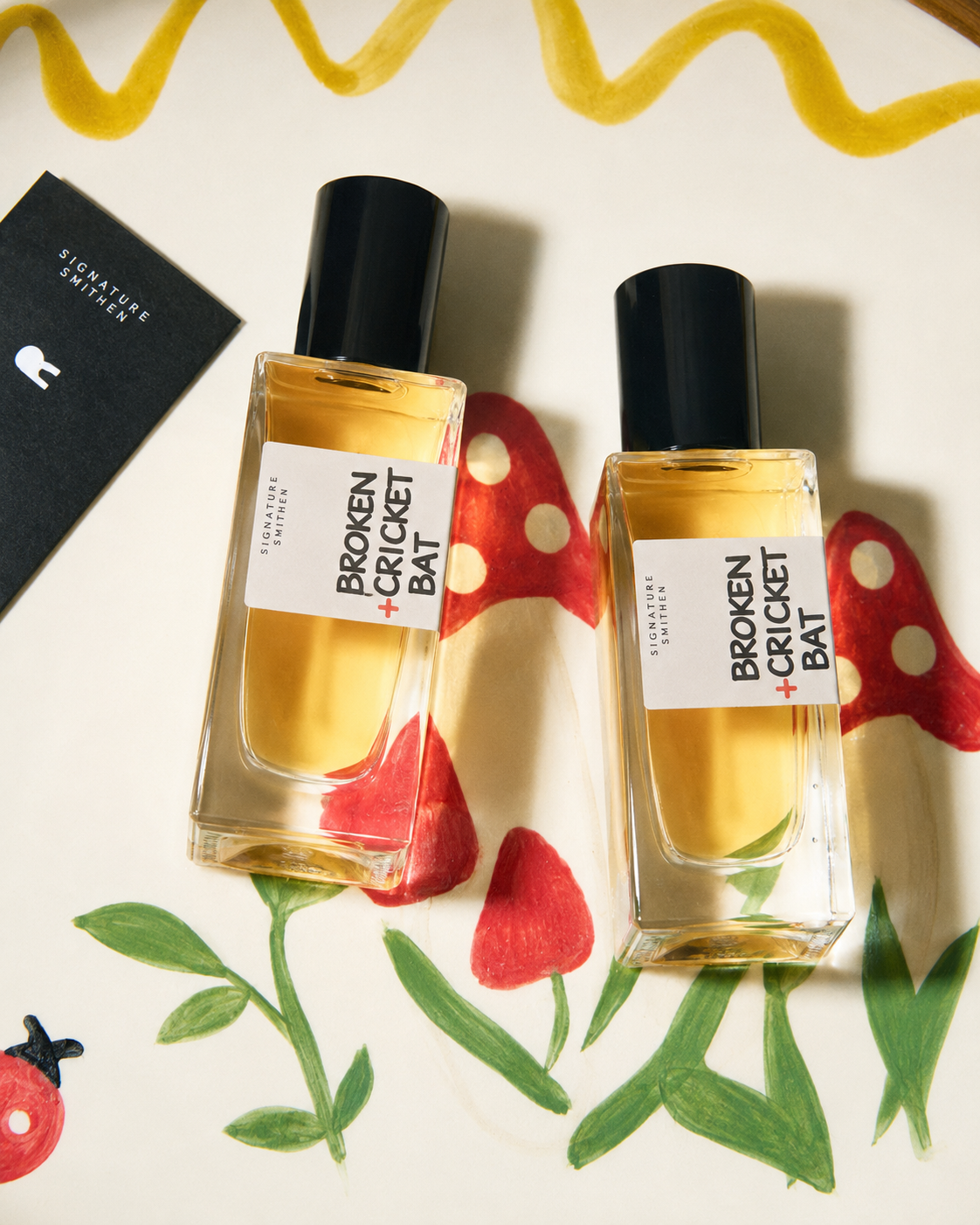
- Broken Cricket Bat: cedarwood forms the backbone beneath blue cypress and clary sage, giving the heart its resinous, slightly smoky structure before the sandalwood, oud and patchouli base takes over. In a woody fragrance like BCB, cedarwood is the bridge between the bright spiced top and the rich, earthy base.
- Peppery Amber: cedarwood sits alongside leather at the heart, adding a smoky dryness that keeps the pink pepper and clove opening from softening too quickly into the amber-vanilla base. Without it, the transition would feel abrupt — cedarwood is what makes the journey feel earned.
Try a 1.5ml sample of Broken Cricket Bat or Peppery Amber for £6 each to hear how cedarwood behaves in two very different compositions.
Is cedarwood long-lasting?
As a heart-to-base note, cedarwood has good longevity — it's not as long-lasting as sandalwood or oud, but it holds its structural role through several hours of wear. In both Broken Cricket Bat and Peppery Amber, it's most present in the mid-stage of the fragrance, becoming more integrated (rather than disappearing) as the base notes settle.
FAQ
Is cedarwood the same as sandalwood?
No — cedarwood is drier, sharper and more pencil-like, while sandalwood is creamier and softer. They're often used together, with cedarwood providing structure and sandalwood providing smoothness.
Is cedarwood a top, heart or base note?
Usually heart-to-base. In both Broken Cricket Bat and Peppery Amber it sits in the heart, providing structural dryness before the base notes take over.
Does cedarwood smell masculine?
Not inherently. That association comes from decades of marketing rather than the material itself. Cedarwood works equally well in unisex compositions — both of ours use it without a gendered brief.
What does cedarwood smell like vs cedar?
The same thing — cedarwood in perfumery refers to the woody material from cedar trees. Different cedar species (Atlas, Virginian, Himalayan) have slightly different profiles, but all share that dry, woody, pencil-shaving character.
Is cedarwood a natural ingredient?
It can be. Cedarwood oil is distilled from the wood of various cedar species, though synthetic versions are also common in perfumery. Both natural and synthetic cedarwood materials share the same characteristic dry, woody profile.
Signature Smithen is an independent British fragrance house. Cedarwood anchors the heart of both Broken Cricket Bat and Peppery Amber — try a £6 sample of either to experience it for yourself.