Patchouli divides opinion more than almost any note in perfumery. Mention it and someone will wrinkle their nose. Mention it to a perfumer and they’ll tell you it’s indispensable.
Both reactions make sense — because what most people have smelled is cheap patchouli, and what perfumers work with is something else entirely.
What Does Patchouli Smell Like?
Patchouli is earthy, musky, and woody, with a sweetness underneath that stops it from feeling cold or clinical. The closest natural comparison is damp earth after rain — not muddy, but rich and grounded. There’s a resinous quality to it too, slightly balsamic, occasionally with a hint of spice.
Fresh patchouli oil has a sharper, more intense character: herbal, green, and woody. Aged patchouli mellows considerably — it becomes smoother, more leathery, more complex. The very best patchouli, properly distilled from the top leaves of the plant, has a sweetness and warmth that most people would never associate with the note at all.
It belongs to the woody fragrance family, and you’ll often find it alongside sandalwood, vetiver, cedarwood, and oud — notes that share its grounding, long-lasting character.
Why Does Patchouli Have a Bad Reputation?
The hippie era did patchouli no favours.
In the 1960s and 70s, patchouli oil became synonymous with counterculture — worn heavily, often in synthetic formulations that were pungent, unrefined, and overwhelming. That association stuck. For many people, patchouli still reads as incense, health food shops, or something best avoided.
The problem was never patchouli. It was the quality of what was being used.
High-quality patchouli — properly aged, carefully distilled — behaves completely differently. It settles quietly into the base of a fragrance and gives it depth, longevity, and a kind of rootedness that synthetics struggle to replicate. Patchouli, done right, is one of the most sophisticated materials in fine fragrance.
Patchouli as a Base Note: What It Actually Does in a Fragrance
As a base note, patchouli acts as a fixative. It slows down the evaporation of the notes above it, extends the life of the fragrance, and adds a grounded, earthy warmth to the dry-down. A fragrance with good patchouli in the base tends to last longer and evolve more interestingly on skin.
It pairs naturally with other woody, resinous materials: sandalwood, where it adds earthiness to creaminess; oud, where it deepens an already complex note; oakmoss, where it contributes to the earthy-green quality that defines the chypre family.
Patchouli in Broken Cricket Bat
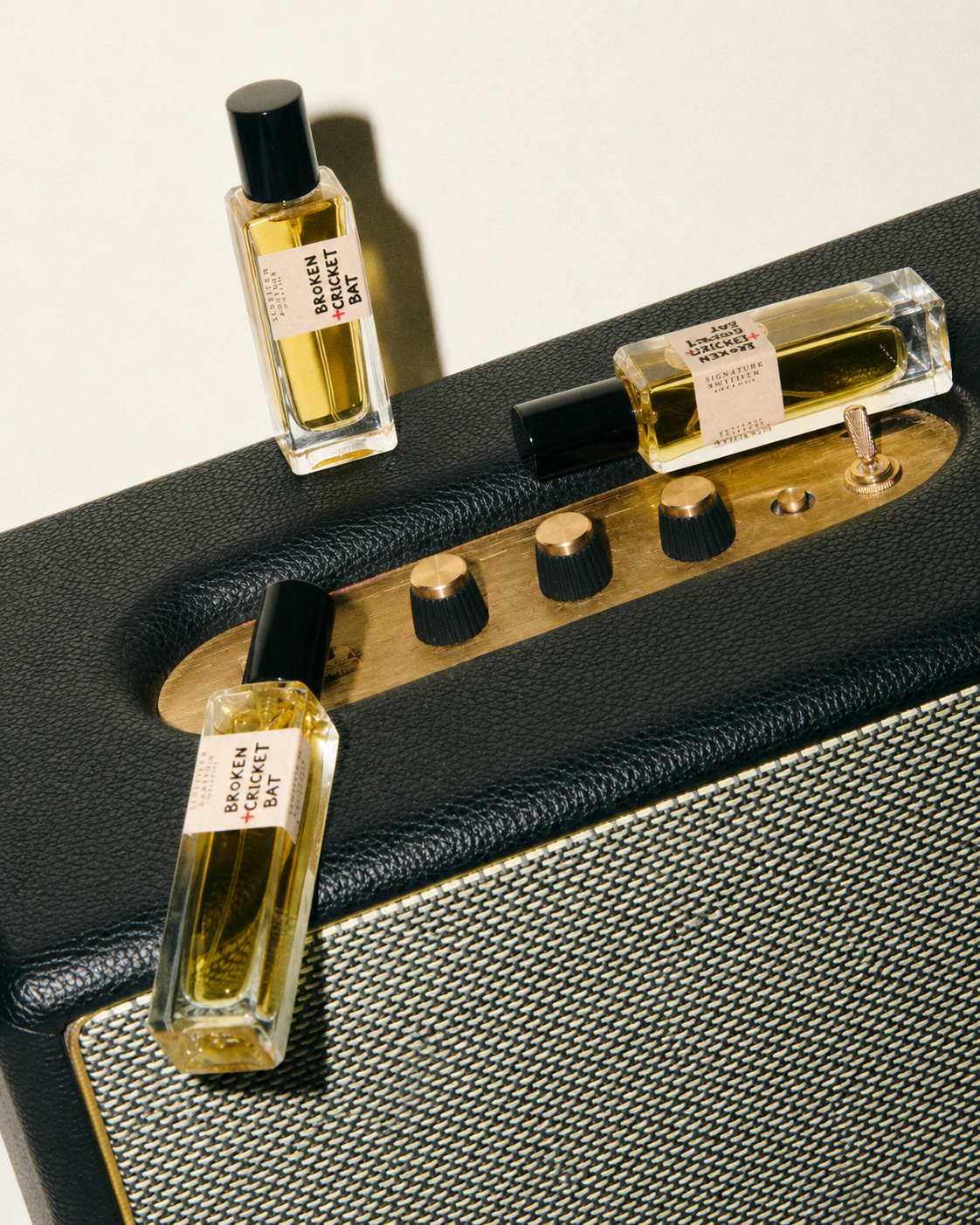
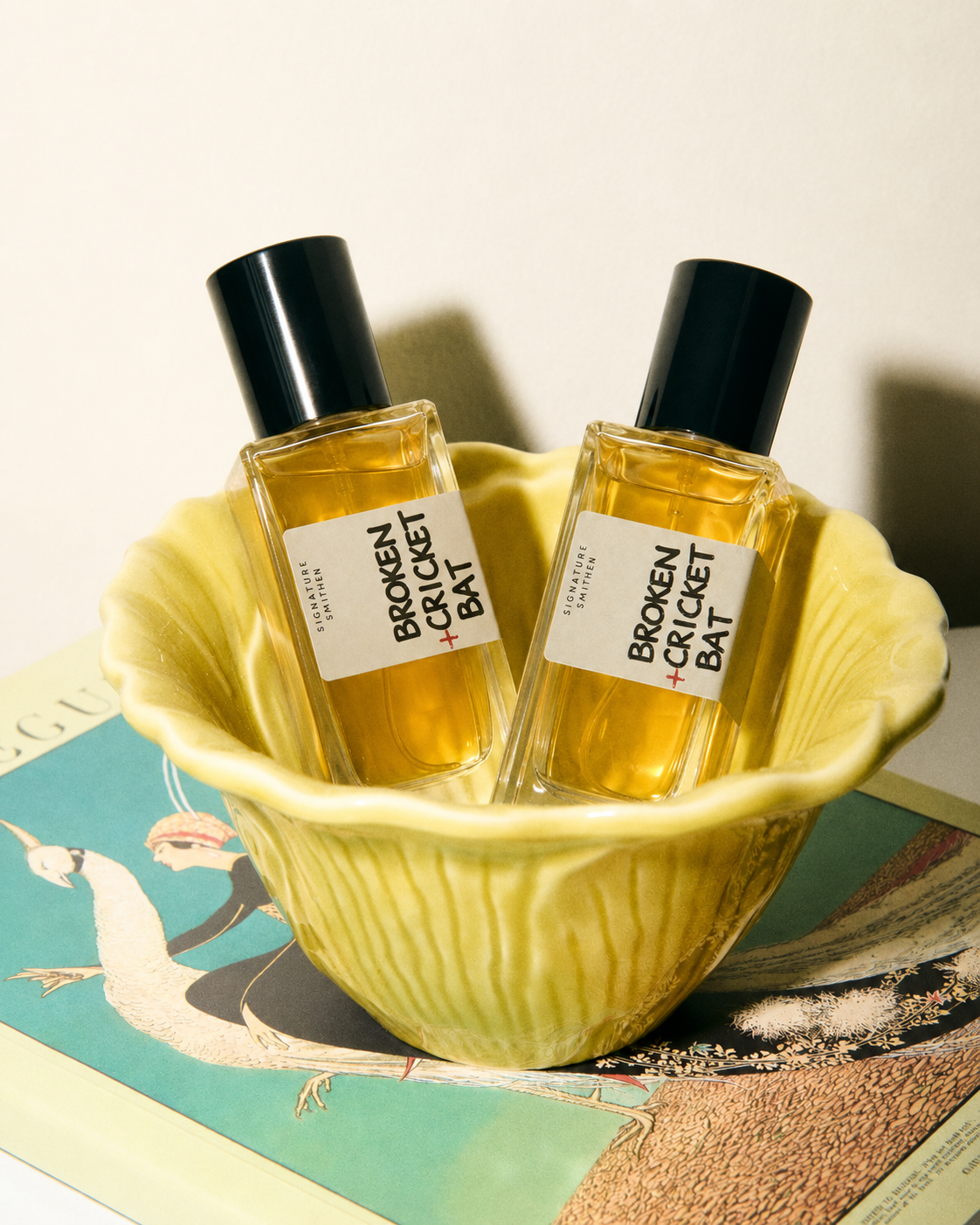
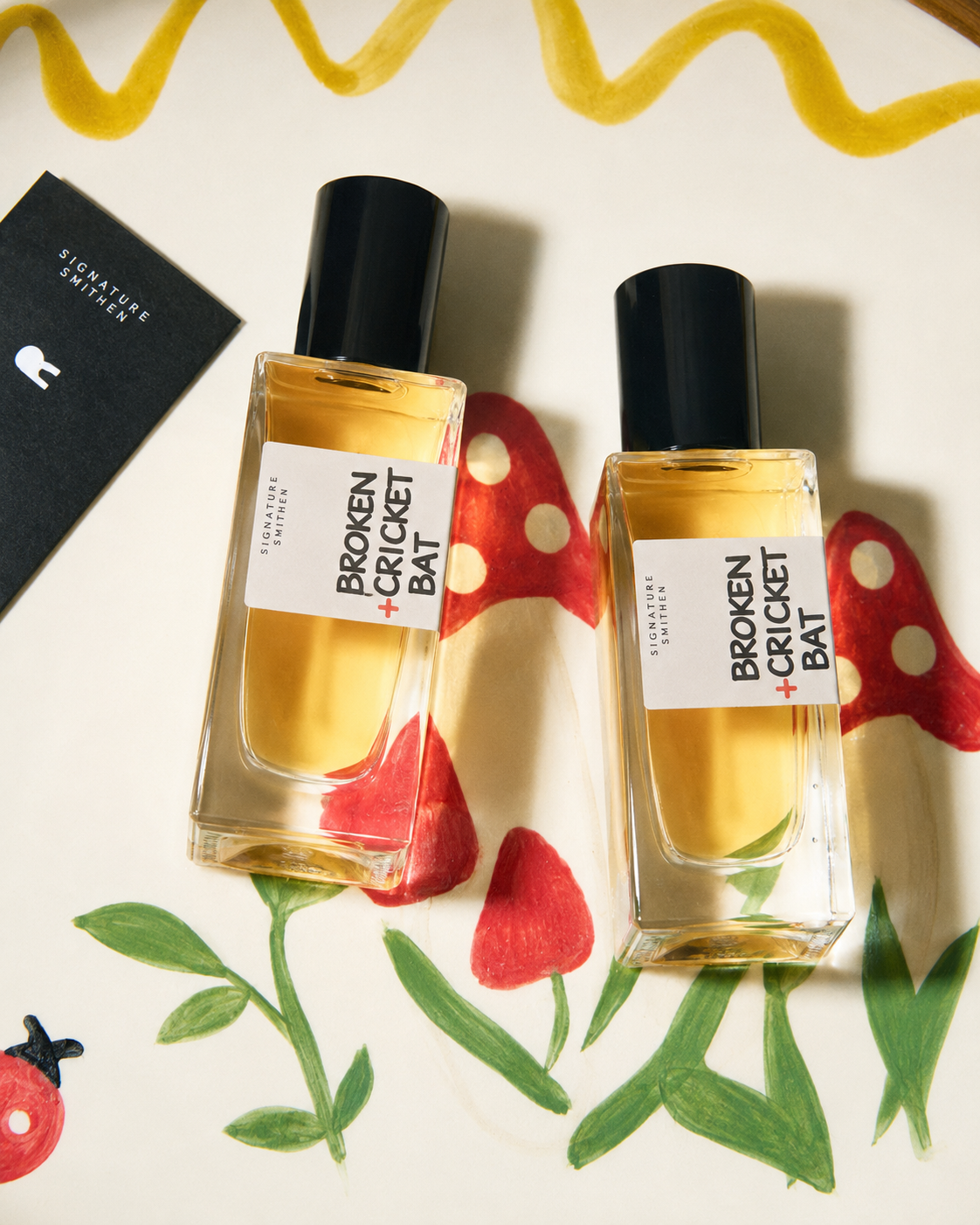
Patchouli sits in the base of Broken Cricket Bat alongside sandalwood, oud and oakmoss. It’s not the headline note — that role belongs to the sandalwood and oud that give the fragrance its warm, creamy backbone. But patchouli is present, doing exactly the kind of quiet structural work it does best: adding an earthy, resinous depth that grounds the composition and gives it staying power.
If you’re drawn to patchouli’s earthy, resinous character but find heavy patchouli fragrances overwhelming, Broken Cricket Bat is worth exploring — present, purposeful, and properly handled, without it dominating the experience.
Try a 1.5ml sample of Broken Cricket Bat →
How to Know If You’ll Like Patchouli
If you already like sandalwood, patchouli’s earthy quality will feel familiar — a similar warm, woody register, just with more darkness and depth.
If you like vetiver, you’ll likely respond well to patchouli. Both are earthy and grounding. Patchouli is slightly warmer and sweeter; vetiver is cooler and smokier.
If you find oud too heavy, patchouli balanced into a composition — supporting rather than leading — is a different thing entirely. The best approach is always to test: patchouli reveals itself on skin, in the dry-down, rather than in the first spray.
Broken Cricket Bat by Signature Smithen is a woody aromatic EDP featuring pink pepper, cardamom, blue cypress, cedarwood, sandalwood, patchouli, oud and oakmoss. Available in 50ml EDP and 1.5ml sample.